
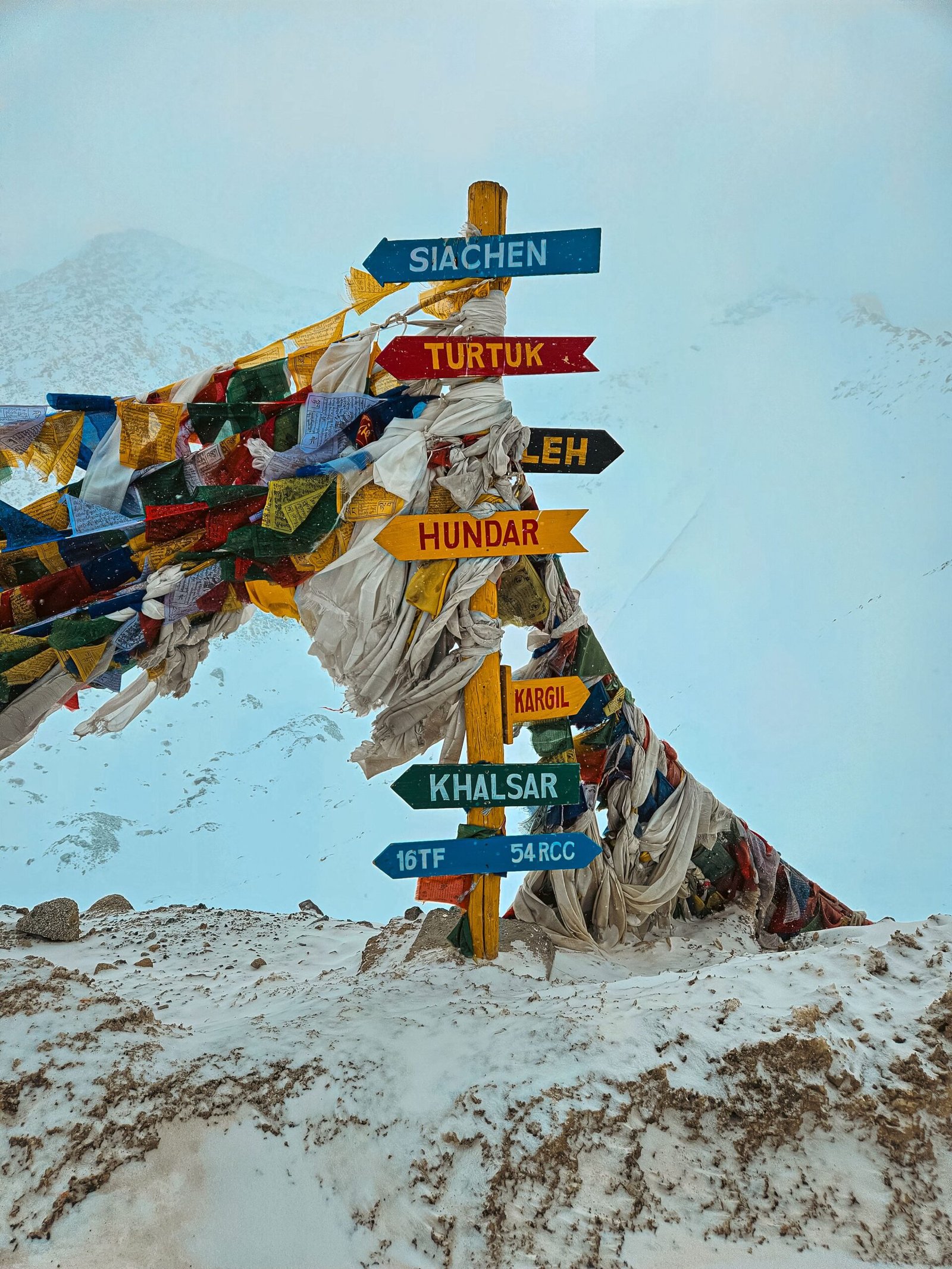
Trekkingin Ladakh
Old trade routes, high passes and village homestays. A local's guide to the best treks in Ladakh, when to go, and how to get there without the altitude getting you first.
Trekking in Ladakh is slow travel in the truest sense. You walk from one village to the next, cross passes higher than anything in the Alps, drink butter tea in a stranger's kitchen and sleep in a home where the same family has farmed barley for generations.
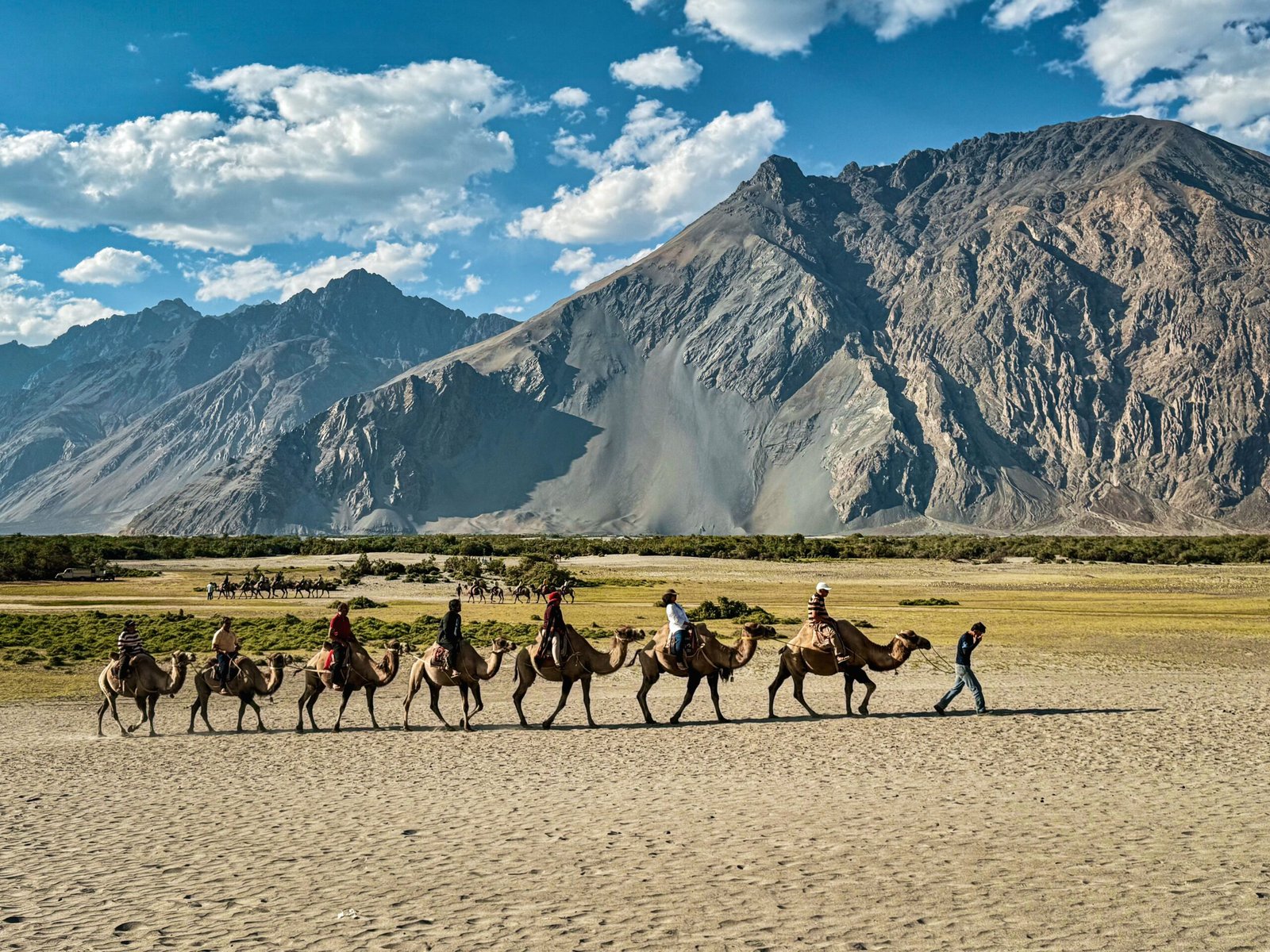
Ladakh is a high-altitude cold desert wedged between the Great Himalaya and the Karakoram. Almost all of it sits above 3,000 metres. The valleys are bare brown ridges, glacial rivers and sudden green villages where water has been coaxed out of the mountains for centuries.
What sets it apart from Nepal or Uttarakhand is that the trails are still in use. They're old trade and pilgrimage routes linking working villages, lined with chortens, mani walls and gompas older than most countries. And because Ladakh sits in the Himalayan rain shadow, it stays dry and walkable right through the monsoon.
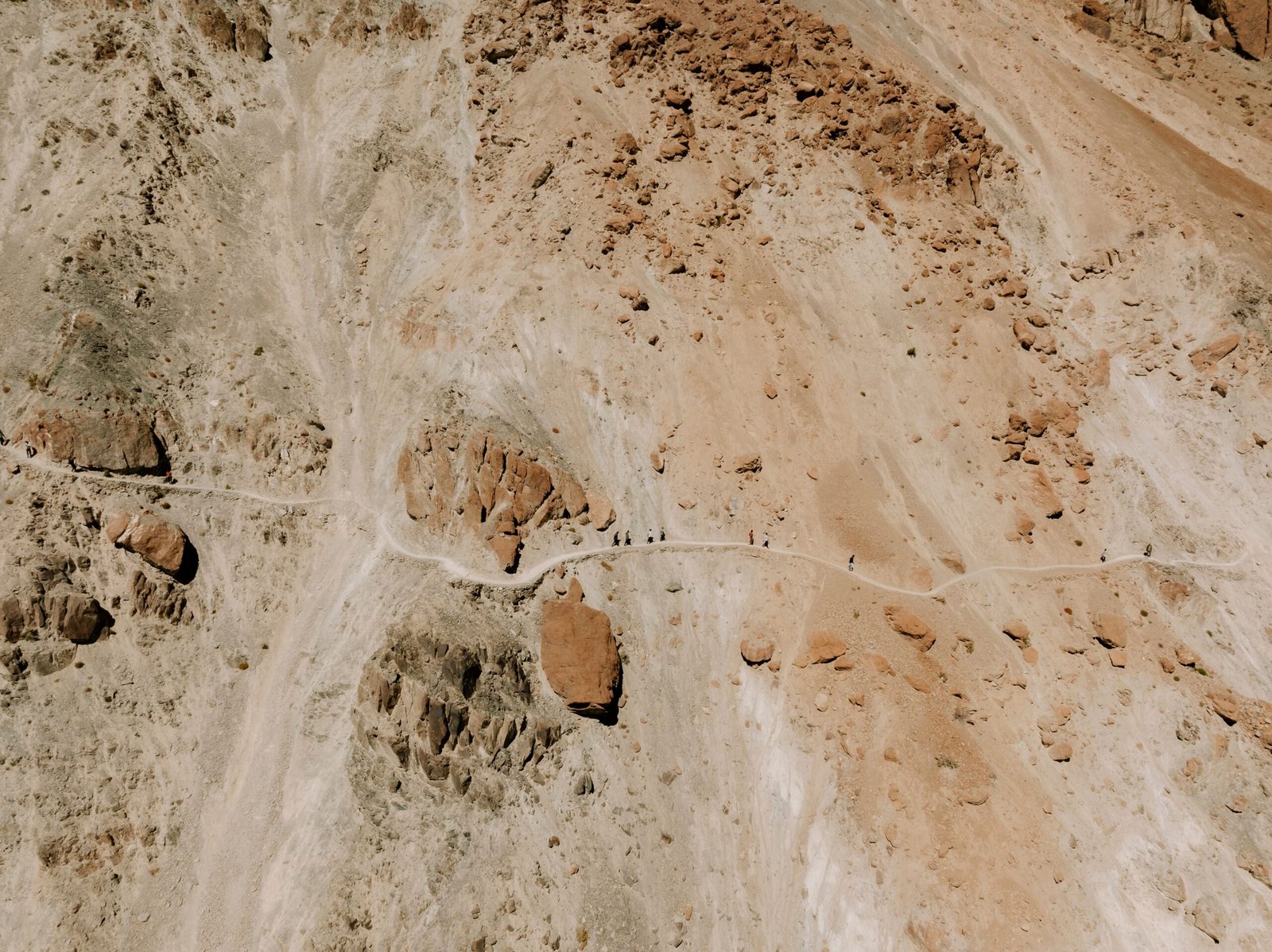
The trail doesn't take you away from Ladakh's villages. It takes you through them.
Best Time for Trekking in Ladakh
The main trekking season runs from June to September, when passes are clear of snow and homestays are open. Winter has its own short, serious season for the Chadar and snow leopard treks.
Why we pick September: clear skies, golden barley at harvest, half the crowds of August. Nights turn properly cold by the end of the month, so pack warmer than you think.
The Best Treks in Ladakh
From gentle village walks to ten-day crossings of the Zanskar range. Here's how they stack up by the highest point you'll reach. Tap any trek to jump to it.
Approximate maximum altitudes. Scale runs to 6,000 m. Exact figures vary with the itinerary.
Sham Valley Trek
Known locally as the "baby trek", Sham Valley is the gentlest introduction to walking in Ladakh. It links Likir, Yangthang, Hemis Shukpachan and Temisgam over low passes, through apricot orchards and past old monasteries, with a homestay every night. It's perfect for families, first-timers, or anyone using a few days to acclimatise before something bigger.
Local tip: Walk it in reverse order of most groups and you'll often have the homestays to yourself.
Lamayuru to Chilling
Starting from the eroded "moonland" around Lamayuru, one of Ladakh's oldest monasteries, this route crosses several high passes and drops through remote villages like Wanla and Hinju before meeting the Zanskar river near Chilling. It's quieter than Markha, with dramatic canyons and real solitude.
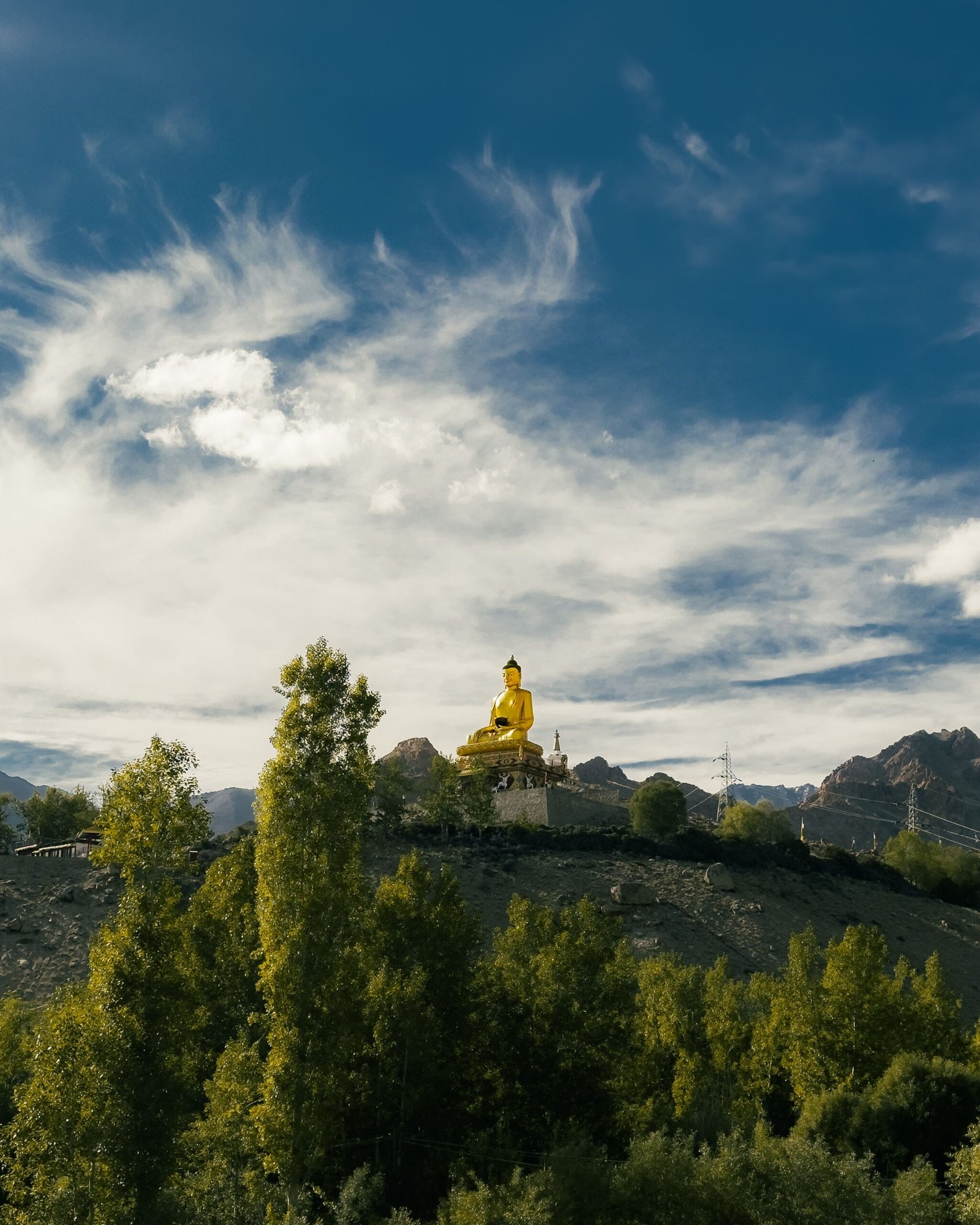
Markha Valley Trek
Ladakh's most popular trek, and for good reason. Markha follows its river through Hemis National Park, past whitewashed villages, ruined forts and wide grazing meadows below Kang Yatse. The last big day crosses Kongmaru La, and on a clear morning the view runs all the way to the Karakoram. Homestays and parachute tents along the route mean you can walk light.
Local tip: There are several river crossings. Pack sandals and cross early, before the afternoon melt raises the water.
Tso Moriri to Tso Kar
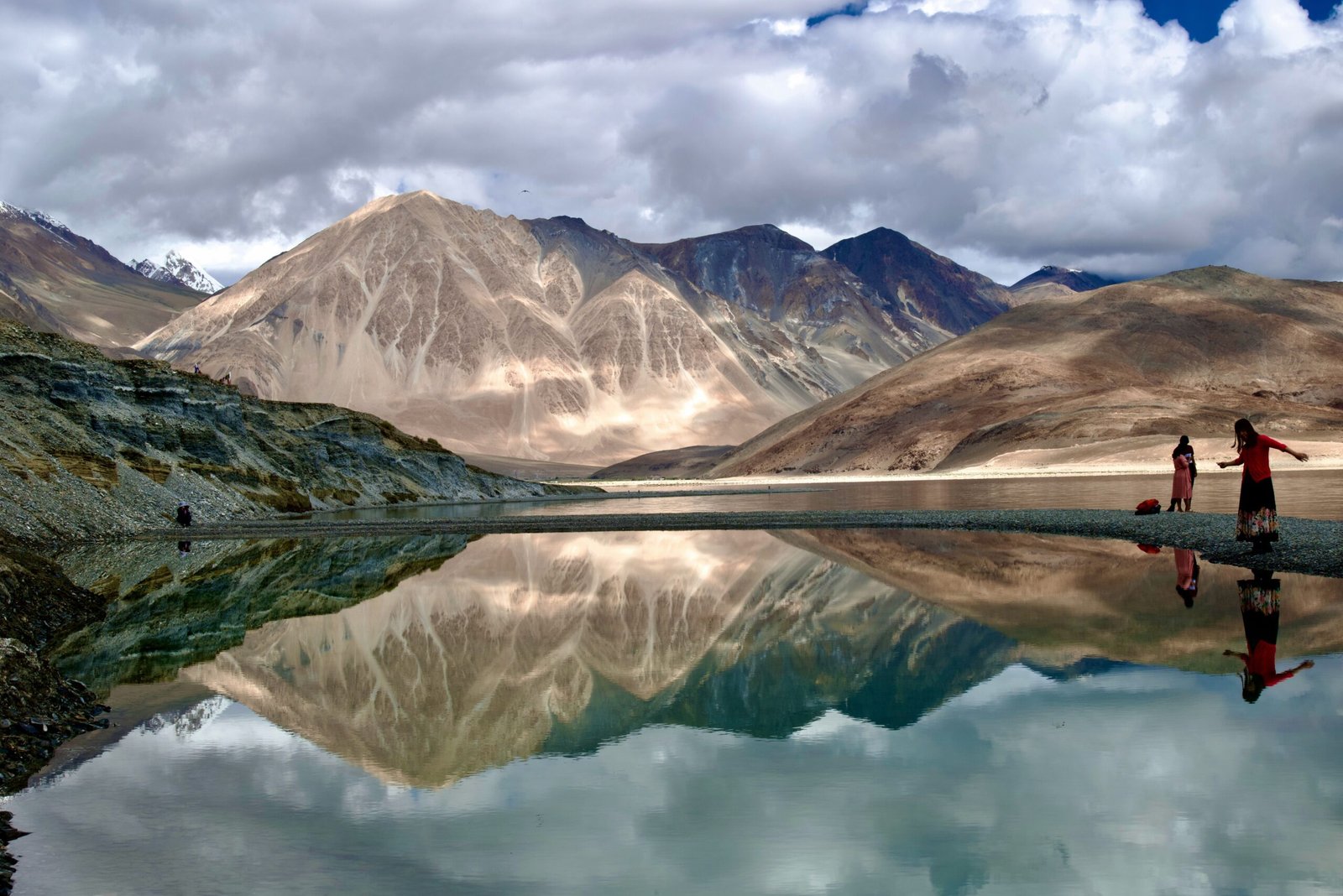
This is Changpa country: nomadic herders, pashmina goats and yak-hair tents across wide, empty plateau. The trek links two high-altitude lakes with almost no villages in between, so it's a camping trek rather than a homestay one. It stays high the whole way, so come already acclimatised. The reward is wildlife: kiang, marmots and, with luck, black-necked cranes.
Chadar Trek (Frozen River)
In deep winter the Zanskar river freezes into a sheet of ice that was once the only way in and out of Zanskar. The altitude is modest, but nights fall well below −20°C and the ice is never fully predictable. The Chadar is tightly regulated, with mandatory medical checks and acclimatisation days in Leh. Go only with an experienced local operator, and check that year's rules before you book.
Padum to Darcha via Shingo La
A long walk through the heart of Zanskar, past the cliff-hung Phuktal monastery and over Shingo La into Lahaul. New roads have shortened parts of the old route, but it's still one of the great Himalayan walks for anyone with the time and the legs.
Acclimatisation: Don't Skip It
Leh sits at about 3,500 metres. Most people flying in feel it within hours: a headache, breathlessness on the stairs, a bad night's sleep. That's normal. Rushing it isn't.
Rest in Leh first
Spend at least two full days in Leh after flying in. Short, easy walks only. No passes, no long drives.
Drink, then drink more
The air is dry and you lose water fast. Go easy on alcohol for the first few days.
Build up gradually
Start with an easier route like Sham Valley before attempting Markha, Rupshu or Zanskar.
When in doubt, go down
Descending is the cure for altitude sickness. Don't push higher with worsening symptoms.
Know the signs of Acute Mountain Sickness: a headache that won't go away, nausea, dizziness, unusual exhaustion. If they get worse, descend. Confusion, loss of coordination or breathlessness at rest are emergencies. Get down and get help immediately.
Driving in? Coming overland from Manali or Srinagar helps you adjust gradually, but the Manali road crosses passes above 5,000 metres. Arriving by road doesn't mean you're acclimatised.
Permits and Fees
Areas close to the international border, including Nubra, Pangong, Tso Moriri and parts of Changthang, need permits. Foreign nationals require a Protected Area Permit. The rules for Indian nationals have changed several times in recent years. Environmental and wildlife fees apply in places like Hemis National Park, which covers the Markha trek.
Regulations shift from season to season, so confirm the current requirements with the Leh tourism office or your trek operator before you travel. If you trek with us, we sort this for you.
What to Pack for a Ladakh Trek
01Layers
Thermal base, fleece, down jacket. Days can be warm and nights near freezing, even in August.
02Sun protection
UV at this altitude is brutal. Sunglasses, wide-brimmed hat, SPF 50 and lip balm.
03Footwear
Broken-in trekking boots, plus sandals or water shoes for river crossings.
04Clean water
A filter or purification tablets and a reusable bottle. Leave the plastic in Leh.
05Medical kit
Your personal meds plus anything your doctor recommends for altitude.
06Cash
No ATMs on the trail and card machines are rare outside Leh.
Leave the Trail Better
Ladakh's ecosystem is fragile and water is precious. Carry out all your waste, use the dry compost toilets in homestays, and skip single-use plastic. Walk clockwise around chortens and mani walls, ask before photographing people, and dress modestly in villages and monasteries.
Choosing homestays and local guides keeps money in the villages you walk through. That's the best way to make sure these trails stay lived-in rather than abandoned.
Hello, goodbye and thank you, all in one word. Use it often.
Trekking in Ladakh: FAQs
Which is the easiest trek in Ladakh?
The Sham Valley trek is the easiest, with low passes, short walking days and homestays each night. It suits beginners and families.
Which is the most popular trek in Ladakh?
The Markha Valley trek is the most popular, combining village homestays, Hemis National Park and the Kongmaru La pass at around 5,200 metres.
What is the best month for trekking in Ladakh?
June to September is the main season. September offers the clearest skies and fewest crowds, while the Chadar trek on the frozen Zanskar river runs only in January and February.
Do I need a guide to trek in Ladakh?
Easy routes like Sham Valley can be walked independently, but a local guide is strongly recommended for Markha, Rupshu and Zanskar treks, and mandatory for the Chadar.
How many days should I plan for a Ladakh trekking trip?
Allow two days to acclimatise in Leh plus the length of the trek and a spare day for weather. For Markha Valley, plan on 10 to 12 days in total.
Walk Ladakh with locals
We're Ladakhi, and these are the trails we grew up on. Tell us your dates, your fitness and the kind of trip you want. We'll handle guides, homestays, permits and acclimatisation days in Leh.
