Ladakh Culture& Buddhism
Thousand-year-old monasteries, masked dances, turquoise headdresses and butter tea by the kitchen stove. An insider's guide to the living culture of Ladakh, written by Ladakhis.
Ladakh is often called "Little Tibet", but that undersells it. This was an independent Himalayan kingdom for centuries, with its own royal line, its own language and a culture shaped by the trade caravans that passed through on the way between Tibet, Kashmir and Central Asia.
Buddhism sits at the centre of life in much of Ladakh. Monasteries crown the hilltops, prayer flags snap on every pass, and whitewashed chortens mark the edge of every village. But Ladakh is also home to large Muslim communities, especially in Kargil, along with Christian and Hindu families, and that mix is part of what makes the region what it is.
The best part is that none of this is staged. The festivals, rituals and traditions you'll see are part of everyday life for the people who live here. Visitors are welcome to watch and take part, as long as it's done with respect.
In Ladakh, faith isn't kept behind monastery walls. It's painted on rocks, carved into stones and flying from every rooftop.
A Short History of Buddhism in Ladakh
The first Buddhist traces
Buddhism reaches the region through Kashmir and the trade routes. Rock carvings of Buddhas and stupas from this era still survive near Mulbekh, Kargil and Zanskar.
The great temple-building era
Linked to the translator Rinchen Zangpo, temples rise across western Tibet and Ladakh. Alchi, with its extraordinary Kashmiri-style murals, dates from around this time.
The Gelug tradition arrives
Followers of the reformer Tsongkhapa bring the Gelug school to Ladakh, founding monasteries such as Spituk, Thiksey and Likir that remain major centres today.
The Namgyal kingdom at its height
King Sengge Namgyal builds Leh Palace and supports the Drukpa Kagyu school, founding Hemis, Ladakh's largest and wealthiest monastery.
A living tradition
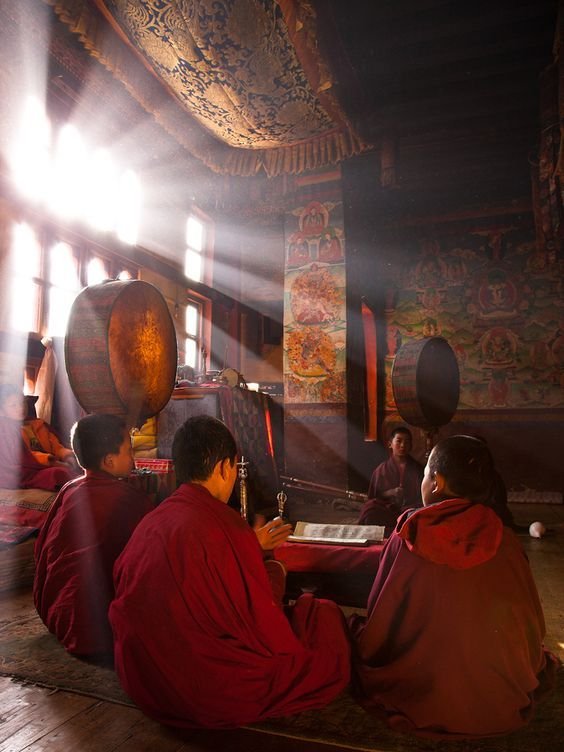
Monasteries still house working communities of monks and nuns, run schools, and host the festivals that structure the Ladakhi year.
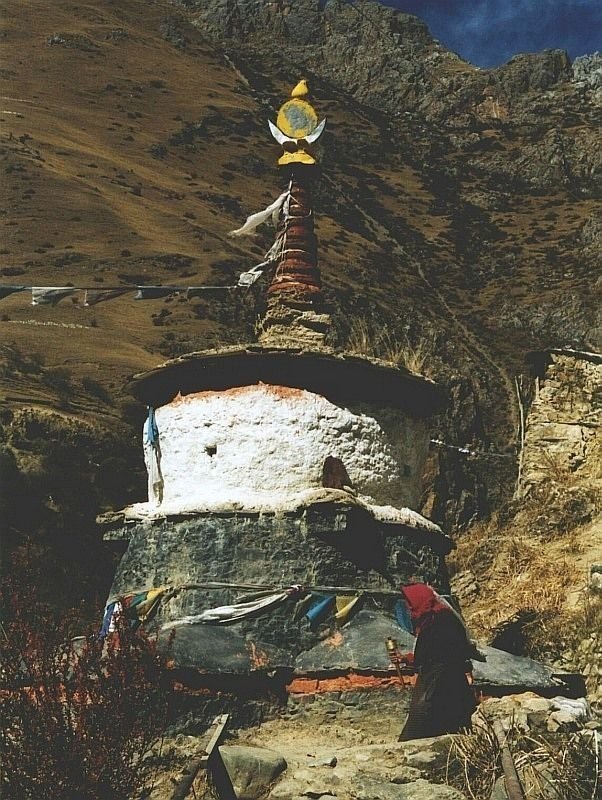
Monasteries in Ladakh Worth Visiting
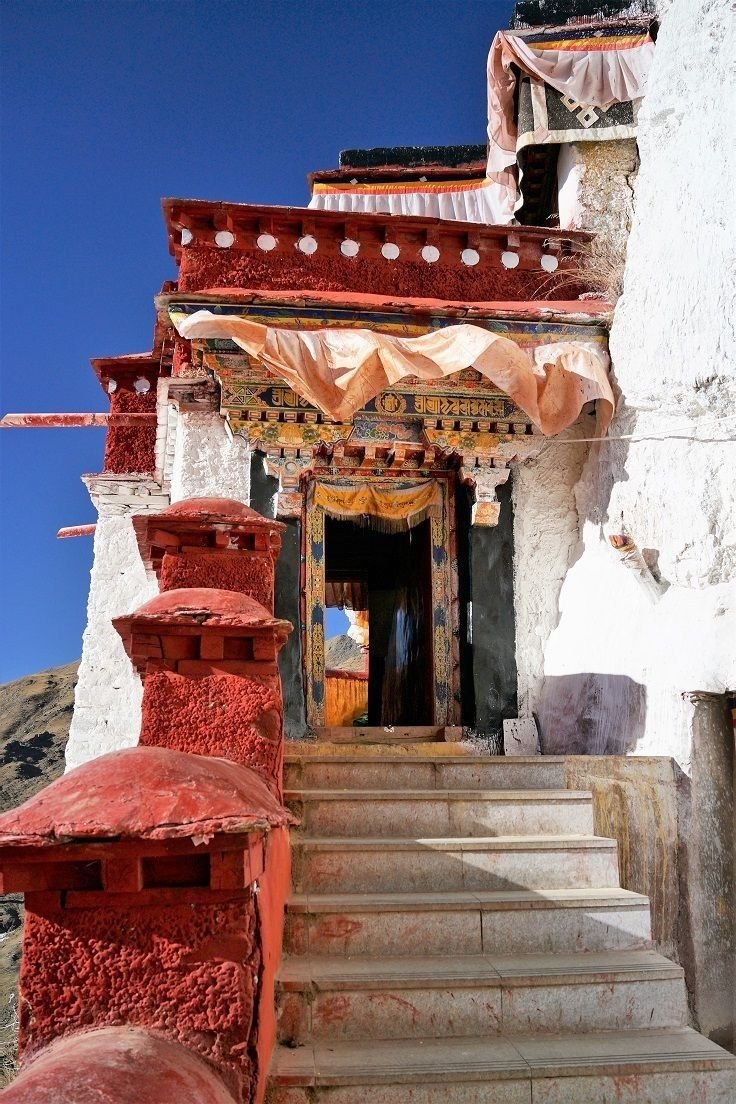
Ladakh has dozens of gompas (monasteries), and each belongs to a particular school of Tibetan Buddhism. These are the ones we send friends to first.
Thiksey19 km from Leh
Rising up a hillside in tiers, it's often compared to the Potala in Lhasa. Come for the morning prayers and the giant seated Maitreya (future Buddha).
GelugHemis45 km from Leh
Ladakh's largest monastery, tucked into a side valley. Home to the famous summer festival and a fine museum of thangkas and ritual objects.
Drukpa KagyuAlchi65 km from Leh
Not on a hill but on the valley floor, and unlike any other. Its small temples hold some of the oldest and finest Buddhist murals in the Himalaya.
Early templesLamayuru125 km from Leh
One of the oldest religious sites in Ladakh, perched above the eroded "moonland". Atmospheric at sunrise and sunset.
Drikung KagyuDiskitNubra Valley
The oldest monastery in Nubra, with a towering Maitreya statue looking out over the Shyok river and the dunes.
GelugPhuktalZanskar
Built into a cave on a cliff face and reachable only on foot. One of the most remarkable monasteries anywhere.
GelugLocal tip: Arrive early. Morning puja, with its horns, drums and chanting, is the most memorable time to be in any gompa.
Buddhist Symbols You'll See Everywhere
Once you know what you're looking at, Ladakh's landscape turns into a sacred map. Start with the prayer flags. Their five colours always appear in the same order, each one standing for an element.
Printed with prayers and mantras, the flags are believed to carry blessings on the wind to everyone it touches.
Chorten
The whitewashed domed monuments at village edges and along roads. Each one is a reliquary and a symbol of the Buddha's mind. Always pass them on your left, walking clockwise.
Mani walls
Long walls of flat stones carved with the mantra "Om Mani Padme Hum". Some stretch for hundreds of metres. Walk clockwise around them, and never take a stone.
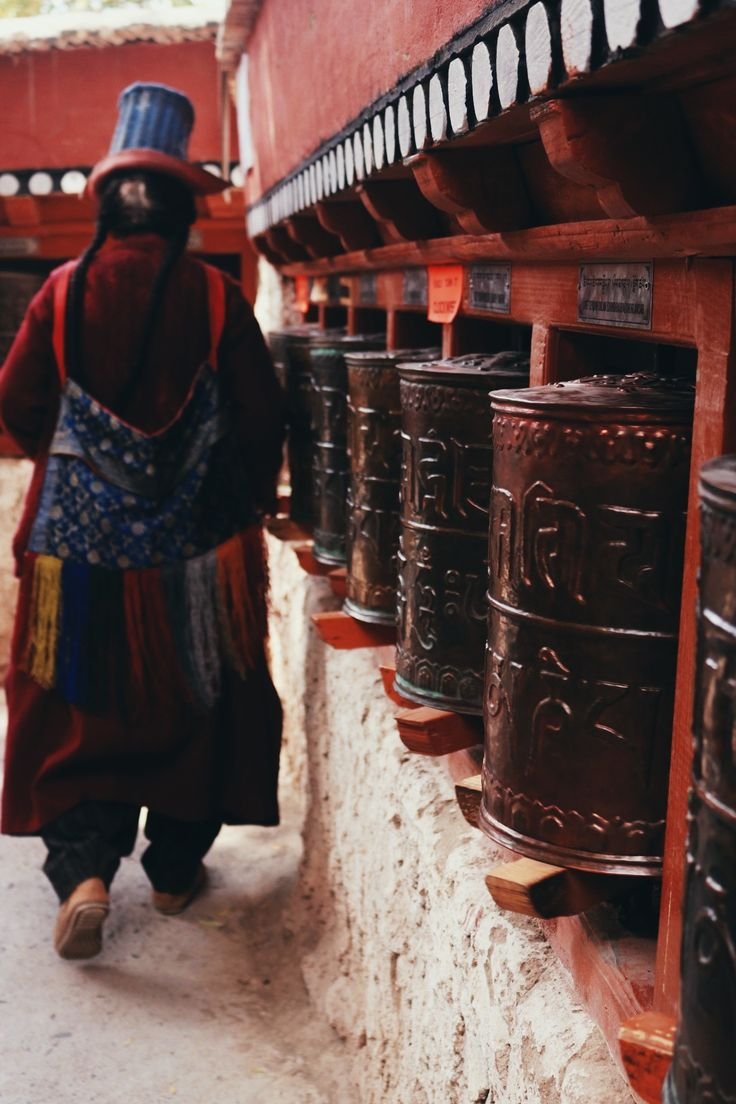
Prayer wheels
Cylinders filled with rolled-up mantras. Spinning one clockwise is said to have the same merit as reciting the prayers inside it.
Khatak
The white silk scarf offered to lamas, guests and at shrines. You may be given one as a welcome. Accept it with both hands.
Ladakh Festival Calendar
Most monastery festivals feature cham, the masked dances performed by monks in elaborate silk robes. They tell stories of good overcoming evil and draw whole villages together. Festival dates follow the Tibetan lunar calendar, so they move every year.
Losar Across Ladakh
Ladakhi New Year, celebrated with fires, feasts, family visits and offerings. Ladakh celebrates it earlier than Tibet, a tradition linked to the old kingdom.
Spituk Gustor Spituk
Masked dances at the monastery overlooking Leh airport.
Dosmoche Leh, Diskit, Likir
A festival to ward off misfortune for the year ahead, held below Leh Palace.
Matho Nagrang Matho
Famous for its oracles, monks in trance who make predictions for the year.
Hemis Tsechu Hemis
Ladakh's biggest and best-known festival, celebrating Guru Padmasambhava. Every twelve years a giant thangka is unveiled.
Yuru Kabgyat Lamayuru
Two days of cham dances against the moonland backdrop.
Ladakh Festival Leh & villages
A celebration of Ladakhi music, dance, archery and polo, with a parade through Leh.
Thiksey Gustor Thiksey
Masked dances and rituals at one of Ladakh's most beautiful monasteries.
Check before you plan: exact dates shift with the lunar calendar every year. Ask us and we'll confirm the dates for your trip.
Traditional Dress
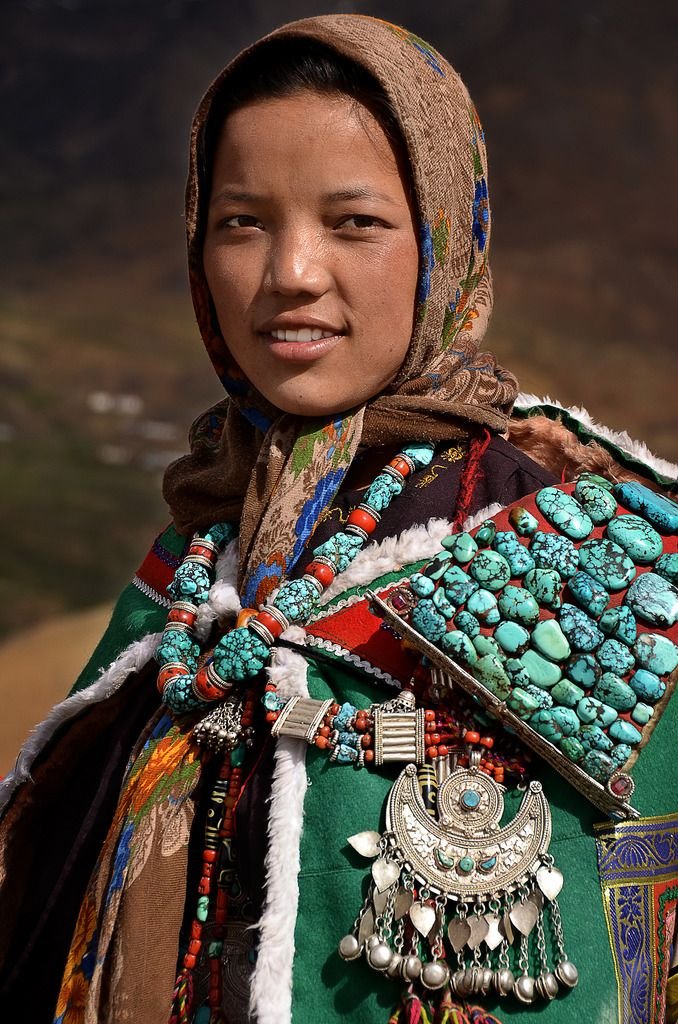
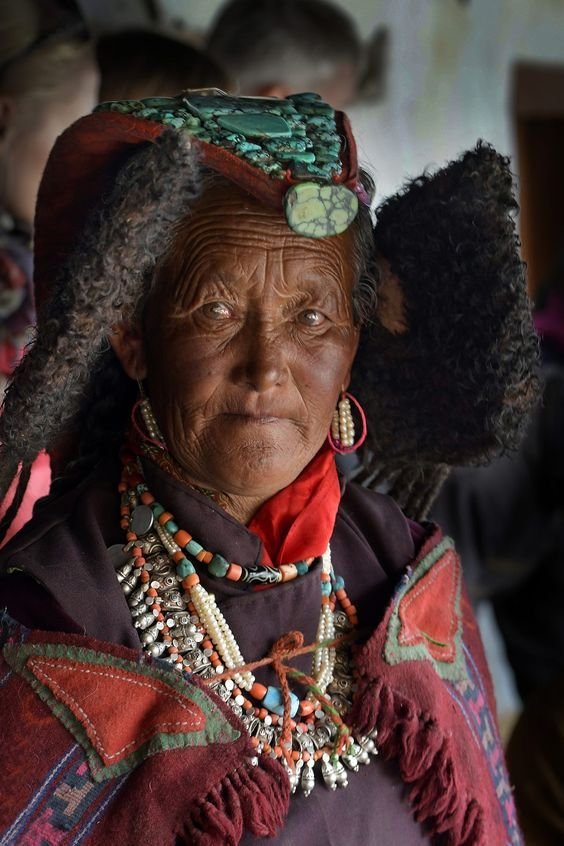
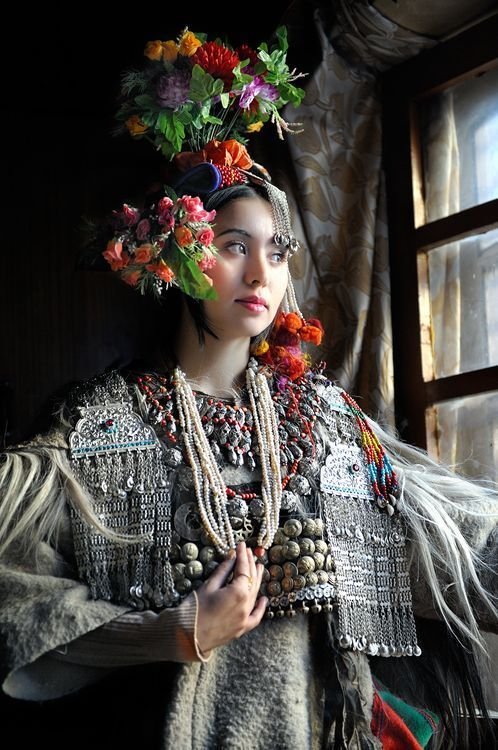
On festival days, and every day for many older Ladakhis, traditional dress is the norm. It's practical at altitude, warm in winter and full of meaning.
Goncha robe
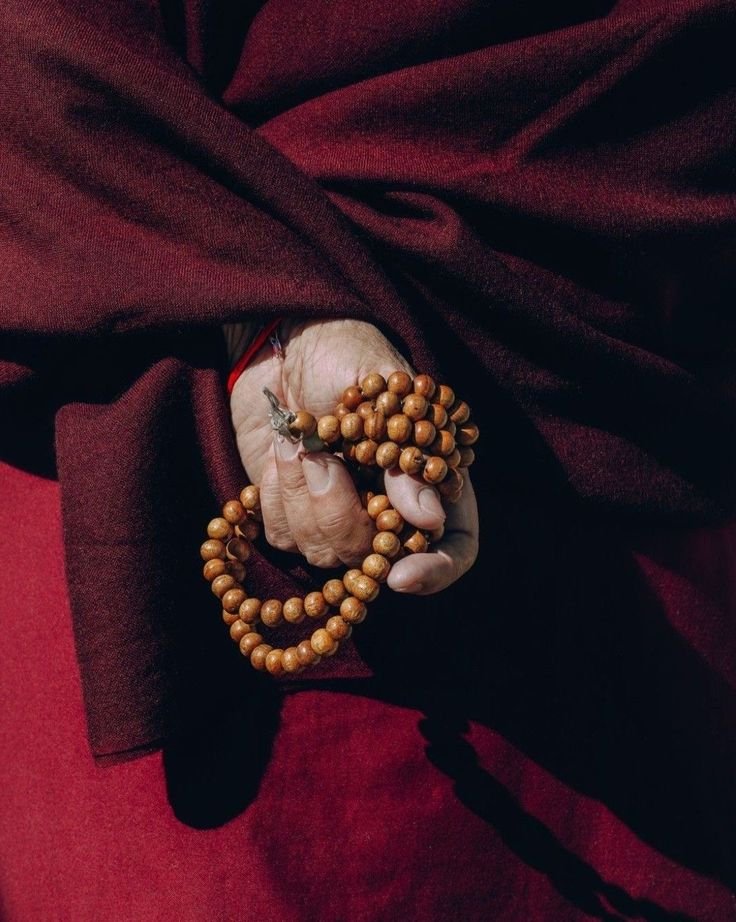
The thick wool robe worn by men and women, tied with a coloured sash. Maroon is common, with brighter colours for festivals.
Perak headdress
A long cobra-shaped headdress studded with turquoise and coral, worn by women and passed from mother to daughter. Some are family treasures generations old.
Papu boots
Hand-stitched felt and wool boots with turned-up toes, made for snow and cold.
Tibi hat
The tall top hat with upturned flaps, worn by both men and women on special occasions.
Food and the Ladakhi Kitchen
The kitchen is the heart of a Ladakhi home. A wide iron stove sits at the centre, rows of copper and brass pots line the shelves, and there's always tea on. If you're invited in, you'll be fed. Refusing a second cup takes some effort.
Gur gur cha butter tea
Salted tea churned with butter. An acquired taste, and very welcome at 4,000 metres.
Skyu & chhutagi stews
Hearty one-pot dishes of hand-shaped wheat pasta, vegetables and sometimes meat.
Khambir bread
A thick round local bread, eaten with butter tea or apricot jam.
Chhang barley beer
Home-brewed and offered at weddings, harvests and Losar.
Words Worth Knowing
Monastery and Village Etiquette
- Always walk clockwise around chortens, mani walls, prayer wheels and temples.
- Dress modestly. Cover shoulders and knees in monasteries and villages. Remove hats and shoes before entering prayer halls.
- Ask before photographing monks, nuns, people and the inside of temples. Many prayer halls don't allow photos or flash.
- Don't touch statues or murals, and never point your feet towards an altar or a lama.
- Leave a small offering in the donation box. It helps maintain buildings that are centuries old.
- Stay quiet during prayers and festivals. Watch from where the locals watch, not in the dancers' space.
Ladakhi for monastery. The word means a solitary place.
Ladakh Culture & Buddhism: FAQs
What type of Buddhism is practised in Ladakh?
Ladakh follows Tibetan (Vajrayana) Buddhism. Several schools are present, including Gelug, Drukpa Kagyu, Drikung Kagyu and Sakya, each with its own monasteries.
Which is the most famous monastery in Ladakh?
Hemis is the largest and best known, famous for its summer festival. Thiksey is the most photographed, and Alchi is celebrated for its ancient murals.
When is the best time to see a festival in Ladakh?
Hemis Tsechu in June or July is the most popular. Winter festivals like Losar, Spituk Gustor and Dosmoche are quieter and very authentic. Dates follow the lunar calendar and change each year.
Can tourists visit monasteries in Ladakh?
Yes. Most monasteries welcome visitors, usually for a small entry fee. Dress modestly, walk clockwise and ask before taking photos inside.
What is the traditional dress of Ladakh?
The goncha, a thick wool robe tied with a sash, worn with papu boots. Women traditionally wear the perak, a turquoise-studded headdress passed down through families.
See Ladakh's culture through local eyes
We're Ladakhi, and this is our home. Whether it's a festival, a monastery morning or tea in a village kitchen, tell us what you'd like to experience and we'll plan it around the real Ladakhi calendar.
