
Wildlifein Ladakh
Snow leopards on winter ridgelines, wild asses on the Changthang plateau, cranes nesting at 4,500 metres. A local's guide to the animals of the high desert, and where and when to find them.
At first glance Ladakh looks empty. Bare slopes, thin air, hardly a tree. Then a ridge moves, and you realise it's a herd of blue sheep that's been watching you the whole time.
Wildlife in Ladakh is built for extremes. Animals here survive winters below −30°C, oxygen at half of sea level, and a growing season that lasts a few short months. What's left is a small cast of remarkable species, many found almost nowhere else in India: the snow leopard, Himalayan ibex, Tibetan wolf, kiang, Pallas's cat and the black-necked crane.
You won't see big herds or dense forest here. You'll see patience rewarded: a lammergeier circling a cliff, marmots whistling from their burrows, and if you're very lucky, the grey ghost of the mountains crossing a scree slope.
In Ladakh you don't find wildlife. You wait for it to find you.
The Big Three of Ladakh Wildlife
Snow Leopard Panthera uncia
Ladakh is one of the best places in the world to see a snow leopard. In winter, deep snow pushes their prey, the blue sheep and ibex, down to lower slopes, and the cats follow. Local trackers spend days scanning ridgelines with spotting scopes, reading pugmarks, scrapes and the alarm calls of prey.
Sightings are never guaranteed. Most people who see one do it on a dedicated trip of a week or more, staying in village homestays in Rumbak or Ulley. Those homestays matter: they turn the snow leopard from a threat to livestock into a source of income for the villages that share its land.
Local tip: Give yourself at least 7 days on the ground. The more days, the better your odds. Pack for −25°C nights.
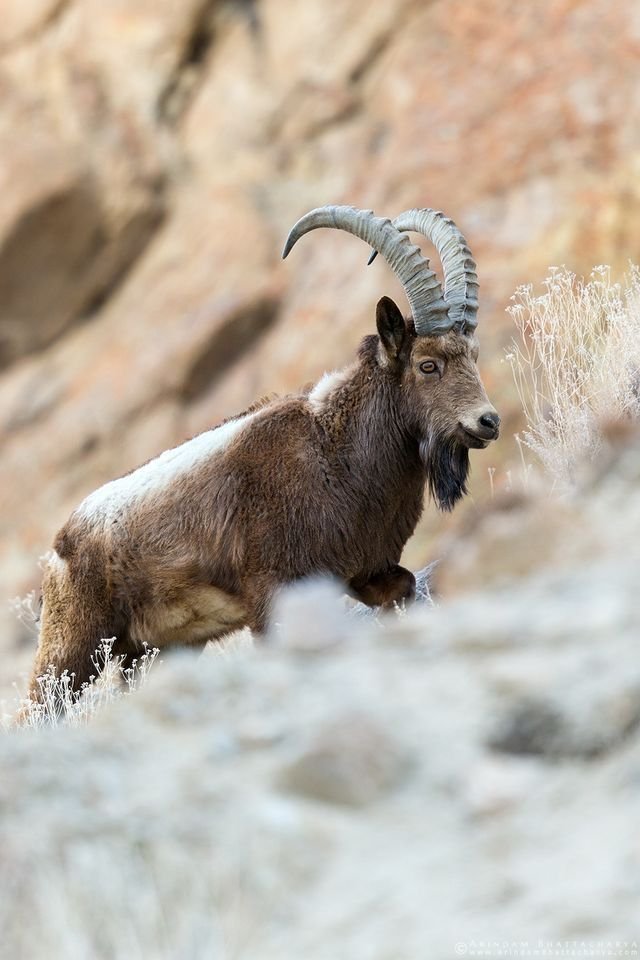
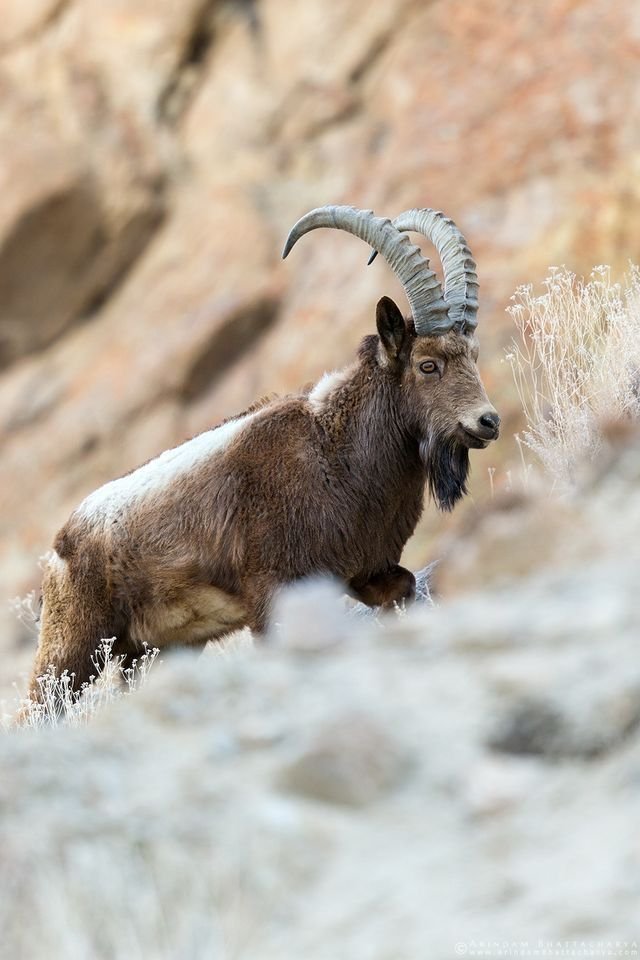
Himalayan Ibex Capra sibirica
Huge, ridged, backward-curving horns make the male ibex one of the most striking animals in the Himalaya. They live on the steepest, most broken cliffs they can find, where few predators can follow. In winter they come lower, and you'll often spot them in the gorges around Hemis National Park and along the Zanskar.
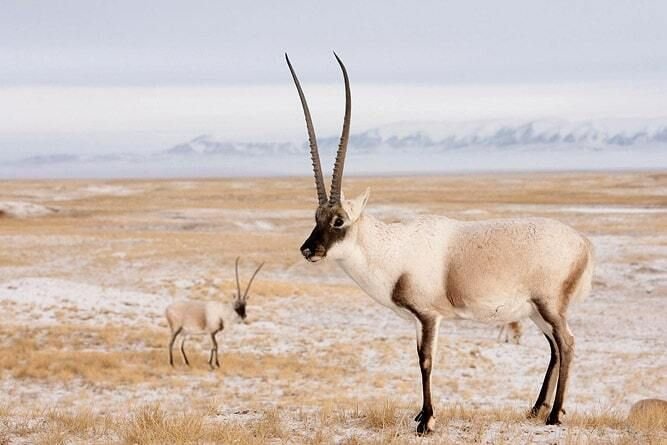
Kiang Equus kiang
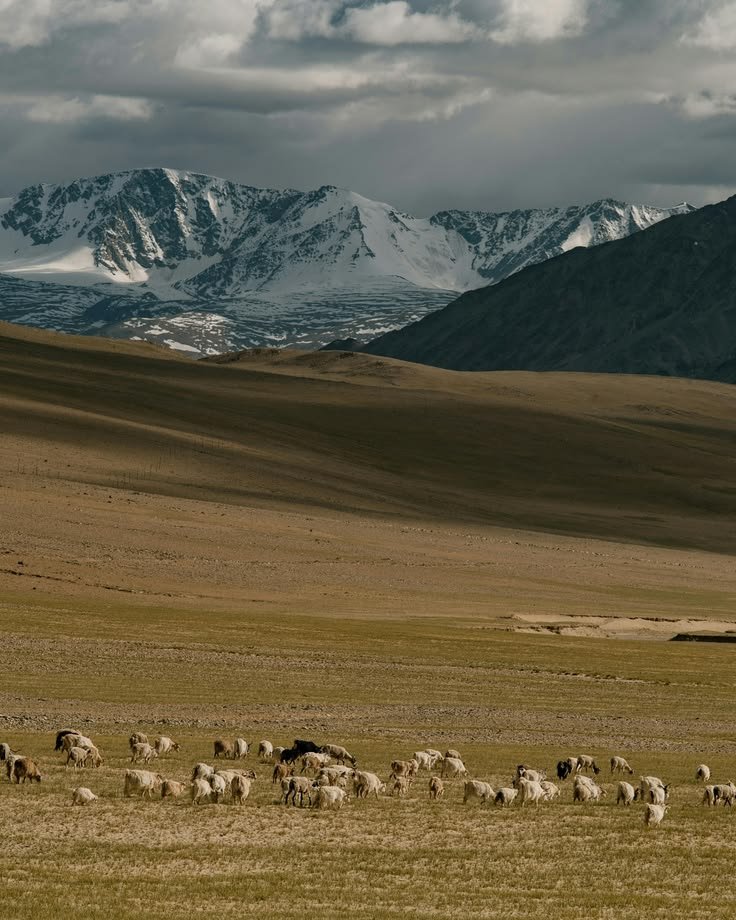
The Tibetan wild ass is the largest wild ass in the world, chestnut-backed and white-bellied, and it's the animal you're most likely to see on the open grasslands of Changthang. Herds graze around Tso Kar and on the drive to Tso Moriri and Hanle, and they'll sometimes run alongside the road in a cloud of dust.
More Animals to Look For
The odds bars show how likely you are to see each one with reasonable time and a good local guide.
Bharal (Blue Sheep)
Pseudois nayaurThe snow leopard's main prey and the wild mammal you'll see most. Look for grey-blue herds on slopes in Hemis.
Himalayan Marmot
Marmota himalayanaFat, golden and whistling. Easy to spot near burrows in summer. They hibernate through winter.
Red Fox
Vulpes vulpesThick-coated and bold, often seen near villages and on winter snow leopard trips.
Tibetan Wolf
Canis lupus chancoPale, long-legged wolves that roam huge territories. Seen in Hemis and on the Changthang plateau.
Ladakh Urial
Ovis vignei vigneiA wild sheep found only in the Indus and Shyok valleys. The Sham area around Shapo is the place to look.
Pallas's Cat
Otocolobus manulA flat-faced, fluffy wild cat with a permanent scowl. Rare and secretive on the Changthang grasslands.
Eurasian Lynx
Lynx lynx isabellinusTufted ears, pale coat, almost never seen. Nubra and the Sham are where reports come from.
Himalayan Brown Bear
Ursus arctos isabellinusFound in the greener western valleys of Suru and Drass, where there's enough food to sustain it.
Tibetan Argali
Ovis ammon hodgsoniThe world's largest wild sheep, now very rare in Ladakh. A sighting on the eastern plateau is special.
When to See Wildlife in Ladakh
Ladakh has two wildlife seasons. Winter is for the big cats and mountain ungulates, when snow brings them down to where you can see them. Summer is for the plateau: migratory birds, marmots and kiang on the open grasslands.
| Species | J | F | M | A | M | J | J | A | S | O | N | D |
|---|---|---|---|---|---|---|---|---|---|---|---|---|
| Snow leopard | ||||||||||||
| Himalayan ibex | ||||||||||||
| Bharal | ||||||||||||
| Tibetan wolf | ||||||||||||
| Kiang | ||||||||||||
| Himalayan marmot | ||||||||||||
| Black-necked crane | ||||||||||||
| Bar-headed goose |
Birds of Ladakh
Ladakh is a summer breeding ground for birds that migrate over the Himalaya, and home to some of the most impressive raptors in Asia. The high-altitude wetlands of Changthang are the richest spots.
Black-necked Crane
Grus nigricollisThe only crane in the world that breeds at high altitude. A small number of pairs nest in Ladakh's Changthang wetlands each summer, around Hanle, Tso Kar and the Puga area. They're deeply respected locally, and disturbing a nesting pair is something no good guide will allow.
- Bar-headed gooseTso Kar, Tso Moriri · summer
- Lammergeier (bearded vulture)Cliffs across Ladakh
- Golden eagleHemis, Changthang
- Himalayan griffonAcross Ladakh
- Brown-headed gullPangong, Tso Moriri · summer
- Ruddy shelduckLakes and rivers · summer
- Tibetan snowcockHigh slopes, Hemis
- HoopoeLeh, Indus valley · summer
The Animals That Make Ladakh Work
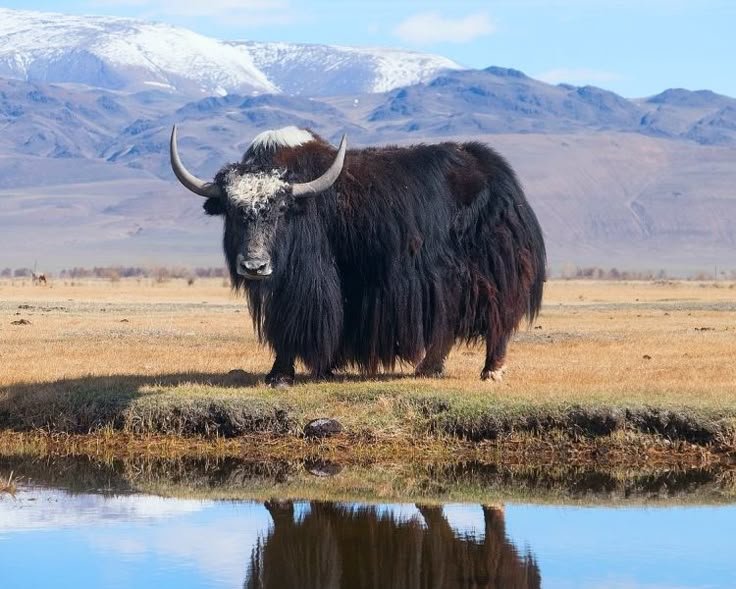
Not all of Ladakh's animals are wild, and the domestic ones are just as much part of the landscape. For centuries they've made life possible at altitude.
Yak
Milk, butter, wool, dung for fuel and the strength to carry loads over 5,000-metre passes. The Changpa nomads couldn't live without them.
Dzo
A yak-cow cross, gentler and more manageable, used for ploughing barley fields in the villages.
Changra goat
The source of pashmina. Its ultra-fine winter undercoat is combed out each spring on the Changthang plateau.
Bactrian camel
Two humps, shaggy coat, descended from the Silk Road caravans that once crossed into Nubra from Central Asia.
Best Places for Wildlife in Ladakh
Hemis National Park
Rumbak · Husing · MarkhaThe heart of snow leopard country and one of the largest protected areas in South Asia. Rumbak valley is the classic base for winter cat-tracking, with homestays run by local families.
Ulley & Sham Valley
West of LehA smaller, quieter valley with a strong record for snow leopard sightings, plus the best chance of seeing the rare Ladakh urial around Shapo.
Changthang Plateau
Hanle · Tso Kar · Tso MoririHigh, wide grassland and wetlands in eastern Ladakh. The summer wildlife destination: kiang herds, nesting cranes, marmots everywhere and an outside chance of Pallas's cat.
Nubra Valley
Karakoram Wildlife SanctuarySand dunes, sea buckthorn thickets and the Shyok river. Home to blue sheep on the slopes, Bactrian camels in the dunes and rare lynx reports.
Permits: Changthang, Nubra and other border areas need permits, and Hemis National Park charges entry and camera fees. The rules change often, so check before you go, or let us handle it.
Wildlife Watching, the Right Way
- Keep your distance. Use binoculars and long lenses. Never approach, follow or corner an animal, especially on foot near cliffs.
- No baiting, no calling. Any operator who lures snow leopards or other animals with bait isn't one you should support.
- Leave the drone at home. Drones stress wildlife and are restricted in much of Ladakh.
- Stay off nesting grounds. Keep well away from crane and goose nesting areas in Changthang, and never drive across wetland edges.
- Stay with local families. Village homestays are what make wildlife worth more alive than dead to the people who live alongside it.
The Ladakhi name for the snow leopard.
Wildlife in Ladakh: FAQs
What is the best time to see a snow leopard in Ladakh?
January to March. Winter snow pushes the snow leopard's prey to lower slopes, and the cats follow. Hemis National Park and Ulley are the best places to try.
Where is the best place for wildlife in Ladakh?
Hemis National Park for snow leopards, ibex and blue sheep in winter, and the Changthang plateau around Hanle, Tso Kar and Tso Moriri for kiang, cranes and marmots in summer.
How many days do I need for a snow leopard trip?
Plan at least 7 to 10 days, including two days to acclimatise in Leh. More days in the field means better odds, since sightings are never guaranteed.
What animals can I see in Ladakh in summer?
Kiang, Himalayan marmots, blue sheep, red foxes and migratory birds like the black-necked crane and bar-headed goose, mostly on the Changthang plateau.
Is wildlife tourism in Ladakh ethical?
It can be. Choose operators who never bait animals, keep a respectful distance, and use village homestays so local communities benefit from protecting wildlife.
Find Ladakh's wildlife with locals
We're Ladakhi, and we work with trackers and village families who know these valleys better than anyone. Tell us what you'd like to see and when, and we'll plan a trip that gives you the best chance of finding it.
